May 19, 2026
In the world of heavy-duty operations—where the hum of a generator or the roar of a bulldozer defines the workday—fuel is more than just a resource; it is the lifeblood of productivity. Off road diesel fuel, distinctively dyed red to mark its tax-exempt status, offers a critical economic advantage for industries that keep our infrastructure moving and our fields yielding. Whether you are managing a sprawling construction site, a multi-generational farm, or a critical emergency power system, understanding the nuances of "red diesel" is key to maximizing your operational budget. By leveraging the tax benefits and high energy density of off-road fuel, businesses can significantly lower their overhead while maintaining the rigorous performance standards their heavy machinery demands.
1. Understanding Off-Road Diesel Fuel
Off-road diesel fuel, also known as red diesel, is different from regular diesel primarily in its coloration due to added dye. This dye allows for easy identification for regulatory compliance. Off-road diesel is utilized in various non-road applications, including machinery and equipment in industries such as agriculture and construction. It is chemically similar to on-road diesel but often lacks specific additives used in automotive applications. Understanding these differences is essential for anyone managing off-road diesel.
The primary difference between off-road and on-road diesel is the taxation and intended use. Off-road diesel, not intended for on-road vehicles, is exempt from the highway taxes imposed on standard diesel. This tax benefit translates into cost savings for industries that operate vehicles and equipment not driven on public highways. However, the misuse of off road diesel fuel in on-road vehicles is illegal and can result in hefty fines. Understanding these distinctions helps ensure compliance and cost management.
Legal requirements for using off-road diesel vary by region, but compliance is mandatory to avoid penalties. Regulatory bodies enforce these laws, making it crucial for users to stay informed. Regulations may cover aspects like how the fuel is stored, labeled, and dispensed. Additionally, users must keep records to prove compliance during inspections. Failing to adhere to these legal standards can lead to legal and financial repercussions, emphasizing the importance of proper management.
2. Selecting the Right Storage Container
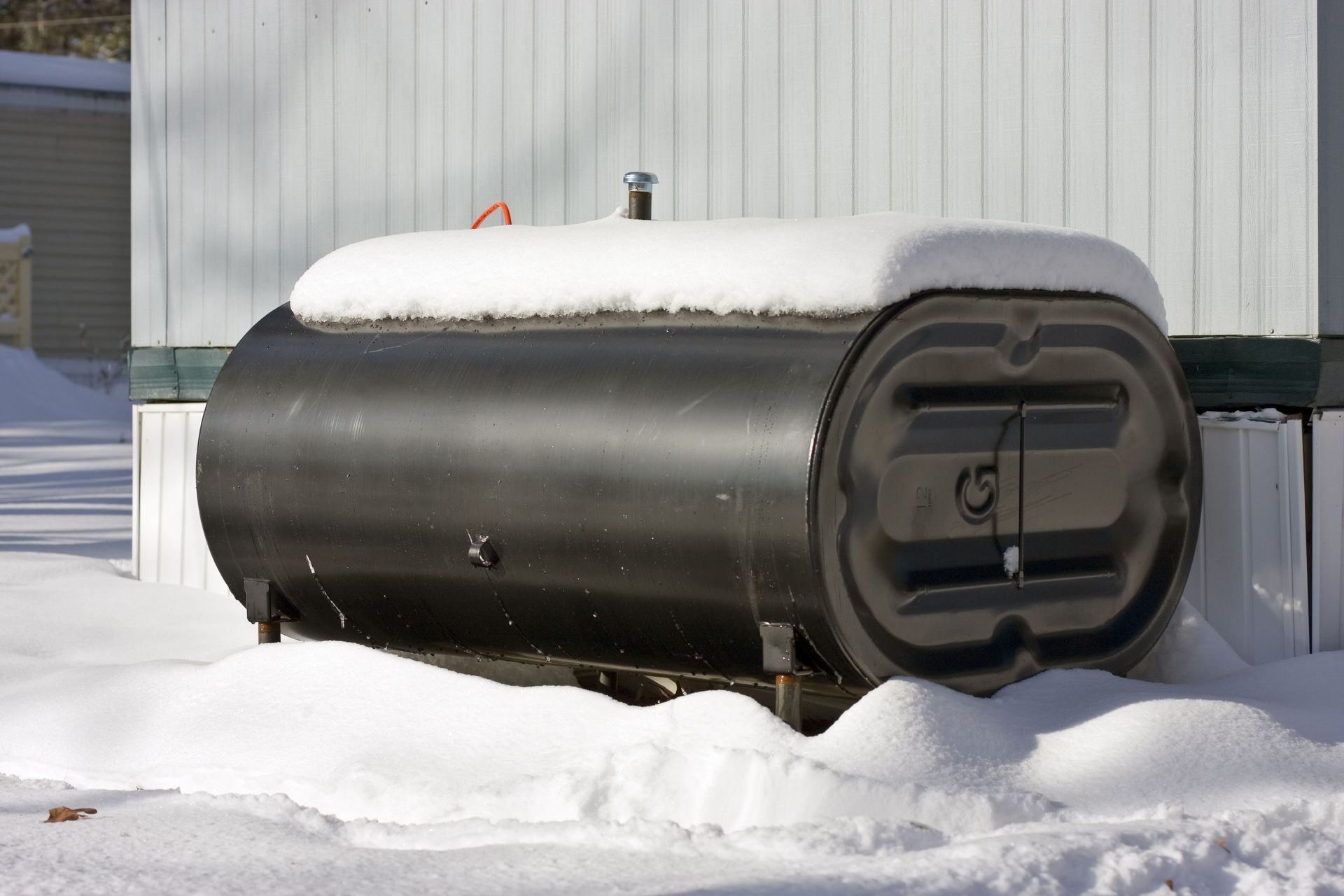
The choice between steel and plastic tanks for storing off-road diesel involves weighing durability against cost. Steel tanks are robust and less prone to damage from external forces, making them suitable for long-term storage. However, they are more expensive and may corrode over time. Plastic tanks, while less durable, are cost-effective and resistant to rust. Your choice will depend on your specific storage needs and budget.
Storage capacity and space are crucial considerations when selecting a fuel tank. The volume of diesel needed for operations influences the size of the storage container required. Additionally, available space on-site will dictate the feasibility of installing larger tanks. Larger tanks may reduce the frequency of refueling, offering logistical advantages. Balancing these factors ensures efficient storage solutions for off road diesel fuel.
When selecting storage containers, certain features enhance safety and longevity. Tanks should be equipped with secure locking mechanisms to prevent unauthorized access. Additionally, vent systems are vital to allow pressure release and prevent tank rupture. Other desirable features include sight gauges for level monitoring and spill containment accessories. Regulatory compliance with industry standards further ensures safe and efficient storage.
3. Ensuring Environmental Protection
Spill prevention is a critical component of managing off road diesel fuel. Spill kits and containment systems are essential tools for mitigating accidental leaks and spills. Implementing effective spill prevention measures protects the environment from contamination and complies with environmental regulations. Regular training for employees ensures that they are equipped to respond swiftly to any spills. Proactive strategies in spill prevention go hand in hand with environmental stewardship.
Installing containment systems around storage tanks is a proactive environmental safeguard. These barriers are designed to capture any leaks, preventing diesel from seeping into the ground or waterways. Berms and dikes serve as effective containment solutions, containing spills within a controlled area. The additional layer of protection preserves surrounding ecosystems and safeguards operations from potential environmental liabilities. Ensuring proper containment is a vital responsibility for any fuel manager.
Routine inspections and maintenance of storage tanks and associated systems are vital for environmental protection. Inspections identify potential weaknesses or damages in the system that could result in leaks. Regular maintenance addresses these issues promptly, minimizing the risk of environmental contamination. Periodic testing, such as leak detection systems, adds an extra layer of assurance. Maintaining rigorous inspection and maintenance schedules protects both operations and the environment.
4. Maximizing Fuel Efficiency
Proper fuel filtration is crucial for maintaining equipment efficiency and longevity. Contaminants like dirt and water in the fuel can damage engines and reduce performance. Installing high-quality filtration systems can effectively remove these impurities, ensuring clean fuel reaches the engine. Beyond filtration, regular maintenance of the filtration system itself is necessary to maintain its efficacy. Clean fuel contributes significantly to maximizing operational efficiency and minimizing downtime.
Regular engine maintenance is essential for maximizing the efficiency of off road diesel fuel. Well-maintained engines burn fuel more cleanly, reducing waste and emissions. Routine checks, including replacing air filters, ensuring proper belt tension, and checking oil levels, are vital. These actions contribute to optimal engine performance and extend the life of the machinery. Integrating these maintenance schedules into operations enhances overall fuel efficiency.
The use of additives in off road diesel can further enhance fuel efficiency and equipment performance. Additives can help prevent fuel oxidation, reduce emissions, and improve combustion efficiency. Selecting the right additive involves understanding the specific needs of your equipment and the environmental conditions in which it operates. Regular use of appropriate additives can extend the life of both the fuel and the engine. This, in turn, aligns with the projected $60 billion growth of the U.S. diesel fuel market by 2031, according to IndustryARC.
5. Safe Handling Practices
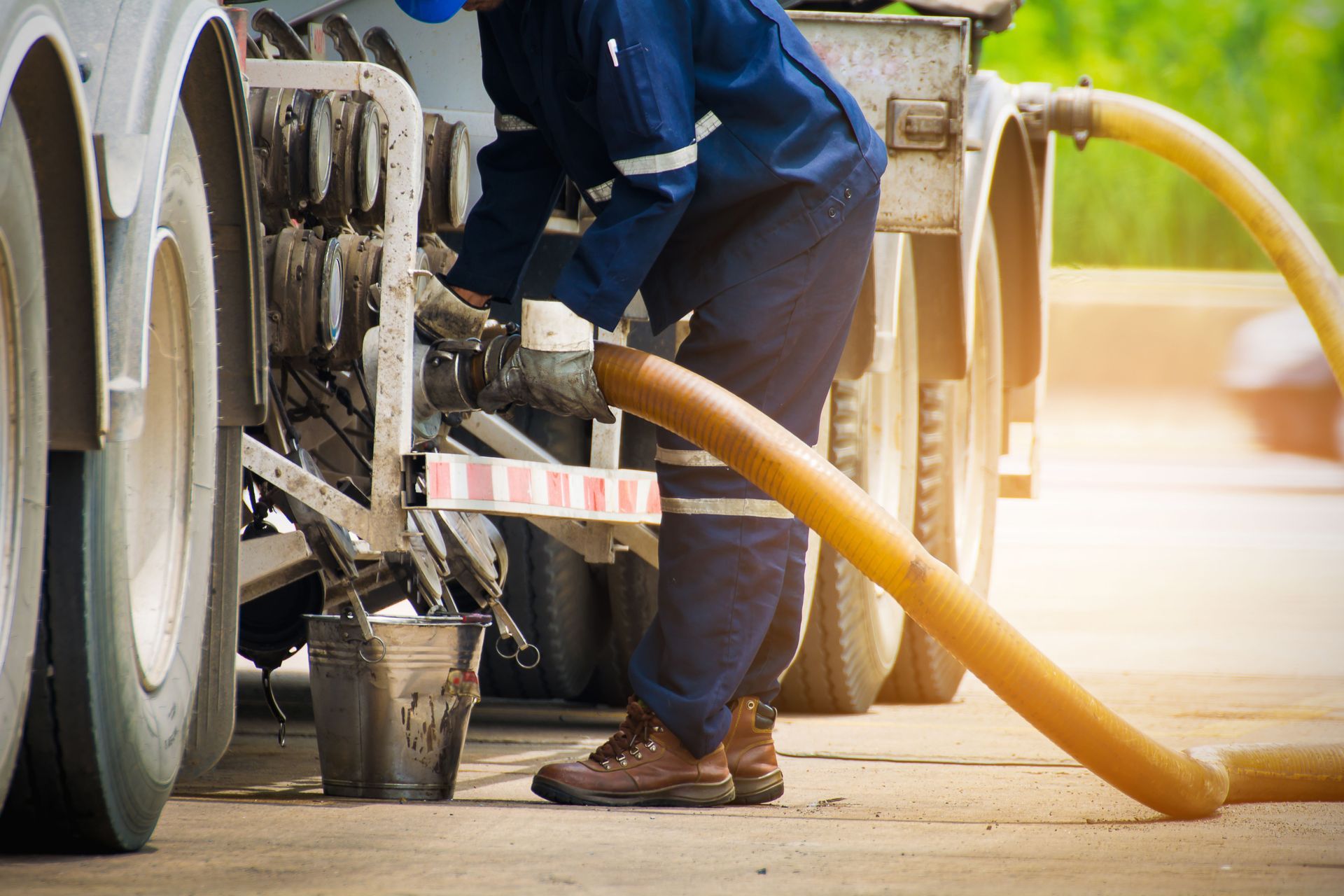
The use of Personal Protective Equipment (PPE) is critical when handling off road diesel fuel. PPE includes gloves, goggles, and appropriate clothing to prevent skin contact and inhalation of fumes. Training employees on the correct usage and maintenance of PPE ensures a safe working environment. Beyond personal safety, PPE helps maintain operational health, reducing the risk of accidents. Consistent enforcement of PPE usage is a fundamental aspect of safe fuel handling.
Correct fueling procedures are essential to minimize accidents and maximize efficiency. Employees must be trained to follow standardized protocols during fueling operations. This includes understanding how to operate fuel dispensers safely and recognizing signs of potential issues. Employing designated fueling areas with appropriate safety signage further enhances safety. Implementing these procedures is a proactive step in ensuring safe fueling practices.
An emergency response plan is imperative for incidents involving off road diesel fuel. The plan should outline clear instructions and responsibilities for dealing with spills, fires, or exposures. Regular drills ensure that employees are familiar with emergency procedures and can respond effectively. An updated emergency response plan reflects current operational realities and potential risks. Having a comprehensive strategy is essential for minimizing the impact of emergency situations.
Don't let logistics slow down your progress. Ensure your equipment has the high-quality, tax-free power it needs to stay on schedule and under budget. Contact Weaver Oil Company today to receive a personalized quote or to learn more about our reliable bulk delivery and on-site fueling services. Let our experts handle the fuel, so you can stay focused on getting the job done.