March 3, 2026
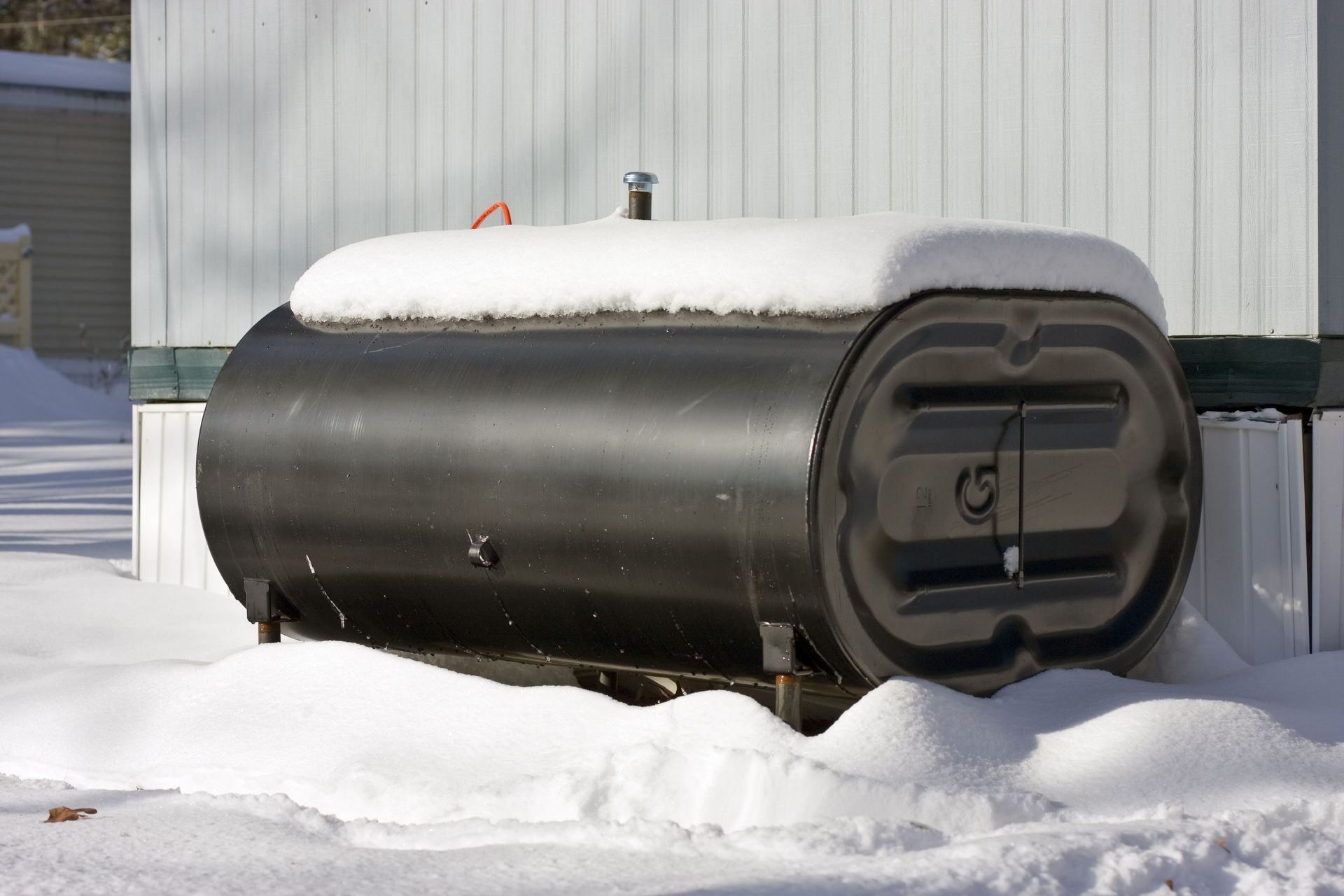
Heating oil is a crucial component of many households' energy needs, especially in regions with harsh winters. Choosing the right heating oil company can significantly impact your budget, comfort, and overall satisfaction. This article will guide you through identifying your unique needs and selecting the heating oil company that best meets those requirements. By understanding and evaluating key elements of the heating oil companies available, such as delivery flexibility and customer service, you can make a well-informed decision. Your choice of a heating oil provider will affect your heating reliability. According to This Old House, the size and capacity of the tank should match your heating needs and space availability. Residential tanks typically range from 275 to 1,000 gallons.
Researching Heating Oil Companies
Company reputation is a vital consideration when researching heating oil providers. Businesses that have operated for many years and established a strong track record are generally more reliable due to their experience. A company’s reputation can be gauged through online reviews, word of mouth, and ratings from organizations such as the Better Business Bureau. Potential customers should also consider if a company has any unique accolades or awards that distinguish it from competitors. Evaluating reputation helps ensure that you select a heating oil provider that is trustworthy and capable of meeting your needs.
Local versus national providers can offer different advantages and drawbacks depending on your priorities and location. Local companies often provide personalized service and a deeper understanding of local weather patterns and customer needs. However, national providers might offer a wider range of services and potentially more competitive pricing structures due to their scale. When researching heating oil companies, it’s crucial to weigh whether the personalized approach of a local company outweighs the broader scope of services a national provider might offer. Both local and national providers have their merits, and the decision will depend largely on individual needs and values.
When comparing companies, pricing models and service offerings are crucial aspects to consider. Pricing models can vary substantially, including fixed or variable pricing plans, with each suited to different financial situations. Customer testimonials can provide insights into service quality and customer satisfaction, offering firsthand accounts of reliability and service delivery. Assessing a company’s service offerings, such as emergency fuel delivery or flexible delivery scheduling, can also guide your decision based on what is most critical for your household. This combination of pricing, customer feedback, and service diversity adds layers to the decision-making process, highlighting the importance of thorough research.
Evaluating Automatic vs. On-Demand Delivery
Choosing between automatic and on-demand delivery is a major decision that affects the convenience and reliability of your heating oil supply. Automatic delivery systems monitor your usage and schedule deliveries as needed, ensuring a seamless supply of heating oil without requiring consumer intervention. On the other hand, on-demand delivery gives customers flexibility and control over when they receive fuel, although it requires more management and oversight on the users' part. For households that prefer a hands-off approach, automatic delivery is typically preferred, ensuring uninterrupted service and convenience. Evaluating these options helps you choose a system aligned with your lifestyle and preference for convenience versus control.
Understanding delivery schedule flexibility is another crucial consideration when selecting a heating oil provider. Some companies offer regular delivery schedules that are adaptable to customer needs, while others have more rigid systems. Flexible scheduling can ensure that you receive your heating oil at convenient times, minimizing disruptions and ensuring comfort, especially during peak winter months. Consider companies that provide guarantees for timely delivery to ensure your home remains heated during critical periods. Understanding these details minimizes the likelihood of unexpected situations where your home is without heat due to a miscalculated delivery schedule.
When assessing potential providers, it's important to identify any minimum order requirements imposed by heating oil companies. These minimums ensure logistical and economic efficiency for companies, but can pose challenges for households that use less fuel or want to avoid high upfront costs. On the other side, understanding minimum quantity orders can help you plan and budget accordingly, aligning your needs with what a company offers. Moreover, emergency delivery services can offer peace of mind in urgent situations, ensuring you never find yourself without the necessary fuel. Always inquire about these services and how they fit into the overall delivery strategy.
Evaluating Pricing and Payment Plans
Selecting the right pricing model for your heating oil needs requires considering both fixed and variable pricing options. Fixed pricing provides a set cost per unit over a specific period, protecting customers from fluctuations in fuel prices. While this offers stability and makes budgeting easier, it may also mean paying more at times when market prices drop below the fixed rate. Variable pricing, in contrast, follows the market rates and can offer savings when prices decrease, although it also introduces uncertainty when prices rise. Deciding between fixed and variable pricing depends on your risk tolerance and preference for budget stability versus potential savings.
Understanding pre-pay and budget plans can further optimize the financial management of your heating oil expenses. Pre-pay plans allow customers to purchase their season’s oil in advance, often at a discounted rate, reducing the per-gallon cost. Budget plans, conversely, spread the total anticipated cost over several months, making it easier to manage cash flow and avoid large, one-time payments. Each option presents distinct advantages depending on your financial strategy and seasonal cash flow management. It’s vital to thoroughly review the terms and conditions of each plan to ensure alignment with your budgetary preferences.
Calculating additional fees and exploring potential discounts or rewards will help you understand the overall cost implications of working with certain companies. Some providers may charge delivery fees, surcharges for certain payment methods, or fees for special services like emergency delivery. Others might offer discounts or loyalty rewards for long-term customers or those who purchase in larger volumes. It’s important to clearly understand all possible costs and perks associated with a provider to make a fully informed decision. Balancing these factors helps achieve the best overall value proposition for your heating oil needs.
Reviewing Customer Service Quality
Assessing response times is an essential part of evaluating a heating oil company and its customer service quality. Swift responses to inquiries, service requests, and emergencies can significantly affect your satisfaction and sense of security with a provider. Efficient communication ensures that any service disruptions are quickly addressed, minimizing discomfort and inconvenience. Consider how quickly a heating oil company responds during peak seasons, as demand for oil and service often spikes during colder months. Clarifying expected response times provides peace of mind that your heating needs will be met promptly and effectively.
Evaluating communication channels is integral to understanding how a heating oil company interacts with its customers. Companies offering multiple communication methods, such as phone, email, and online chat, provide convenience and accessibility. Some consumers may prefer direct phone calls for immediate concerns, while others might appreciate the convenience of digital communication. Assessing these options ensures that you have ample ways to reach out to your provider, with responses tailored to your preferred method. Effective communication is crucial for resolving issues and maintaining satisfaction, making it an important criterion when selecting a company.
Understanding conflict resolution procedures helps ensure that any disputes or misunderstandings are handled efficiently and fairly. Reliable companies generally have transparent procedures to resolve issues quickly, while less reputable firms might lack comprehensive plans or deliver unsatisfactory resolutions. It’s advisable to familiarize yourself with a provider’s policies on complaints and service disruptions, as well as their strategies for rectifying issues. Good customer service includes not just immediate support but also effective resolution strategies that restore trust and satisfaction. By evaluating these procedures, you can feel confident that your provider will address any problems responsibly.
Choosing a heating oil company requires careful consideration of various factors that align with your personal needs. By systematically researching the reputation, delivery options, pricing, customer service, environmental impact, and service agreements of potential providers, you can make an informed decision that offers reliability, cost-efficiency, and peace of mind. Remember to continuously assess your satisfaction with their services to ensure your needs are always met. As fields and technologies evolve, staying updated on industry trends can also inform better choices in choosing or renegotiating service terms. If you are seeking a heating oil company in the South Jersey area, contact Weaver Oil Company today.