September 25, 2026
The modern industrial landscape relies on efficient transportation networks to maintain economic stability and ensure communities thrive. As concerns about climate change escalate rapidly, enterprises across diverse sectors are actively seeking innovative strategies to minimize their footprints. The transportation sector faces immense pressure from conscious consumers and strict regulatory bodies to adopt greener practices.
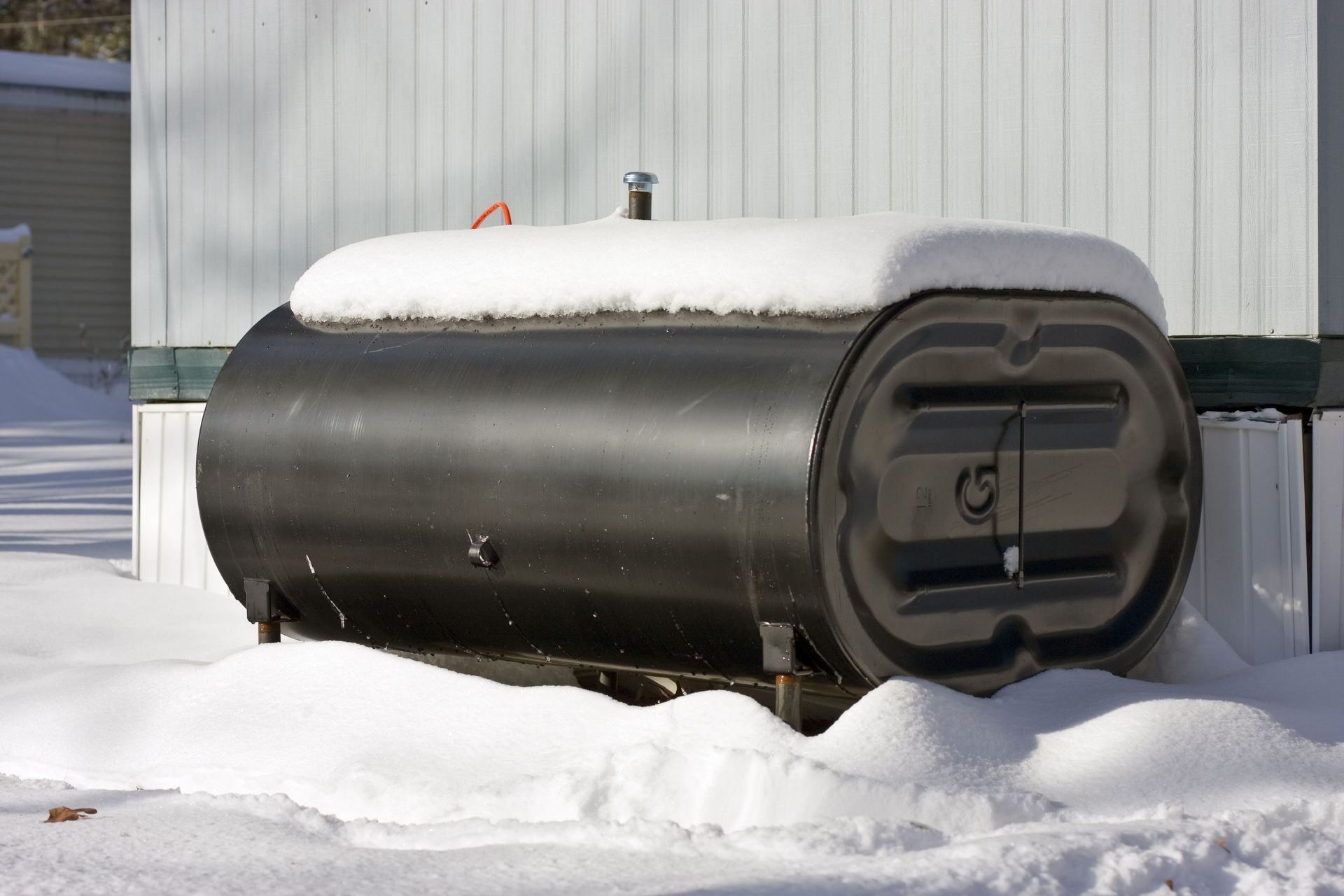
When discussing the vital movement of heating resources, we must consider how the optimization of scheduled oil deliveries plays a crucial role in global sustainability. Implementing smarter routing protocols for distribution trucks yields profound ecological advantages that extend beyond simple financial savings. According to This Old House, the dimensions and overall volume of your storage tank must properly align with your home's unique heating requirements and the physical footprint available on your property. Because standard residential containers hold anywhere between 275 and 1,000 gallons of fuel, logistical frequency must be carefully calibrated to avoid wasteful trips.
Reducing Greenhouse Gas Emissions
The immediate environmental advantage of modernizing distribution routes is the substantial reduction in harmful greenhouse gases released into the atmosphere. Transport vehicles traditionally burn massive amounts of refined fossil fuels, which pump dangerous quantities of carbon dioxide into the air we breathe. By calculating the shortest geographical paths between destinations, fleet managers can dramatically decrease the total duration that truck engines spend running.
Every mile eliminated from a driver's daily schedule translates directly into a significant drop in the volume of airborne pollutants generated. When dispatchers organize residential oil deliveries using geographic information systems, they eliminate the overlapping routes that plague inefficient logistics networks. This deliberate reduction in redundant driving distance curtails the emission of volatile organic compounds that contribute to regional smog formation.
Prolonged and unnecessary engine idling represents a major, highly preventable source of greenhouse gas emissions that can easily be eradicated through intelligent route planning software. Optimized geographic pathways intentionally guide commercial drivers away from known traffic bottlenecks, construction zones, and highly congested urban intersections. By keeping massive tanker trucks moving efficiently during their scheduled oil deliveries, transportation companies drastically lower their overarching carbon footprints while improving local air quality.
Minimizing Traffic Congestion
While many people associate traffic jams with lost time, these blockages also represent a severe threat to environmental health. When thousands of vehicles are packed tightly together on a highway, the collective exhaust creates a localized micro-climate of intense pollution. Strategic route optimization plays a critical role in alleviating this dangerous congestion by deliberately staggering the deployment times of commercial fleets. Dispersing heavy traffic across less-utilized secondary roads prevents the overwhelming saturation of primary interstate arteries.
Heavy commercial trucks naturally require significantly more physical space and longer braking distances than standard passenger vehicles, meaning their presence exacerbates existing delays. When logistics companies intelligently reroute massive fleets to bypass busy commercial districts during peak hours, they actively facilitate a smoother flow of civilian traffic. Executing residential oil deliveries during specifically targeted off-peak windows ensures that these essential service vehicles do not contribute to the chaotic nature of daily commuter rush hours.
A secondary environmental benefit of minimizing traffic congestion through superior logistical planning is the noticeable reduction in ambient noise pollution plaguing densely populated neighborhoods. The constant roaring of heavy diesel engines stopping and starting in gridlocked traffic disrupts local wildlife communication patterns and degrades human quality of life. By ensuring that routine logistics are completed efficiently without getting trapped in jams, transportation providers help maintain the peaceful auditory environment of the towns they serve. Less time spent lingering on residential streets translates into a significantly quieter and cleaner community for everyone.
Lowering Fuel Consumption
The direct correlation between optimized travel routing and the reduction of daily fuel consumption cannot be overstated when discussing sustainable business models. Advanced software considers complex topographical data, such as steep inclines, which heavily influence how much diesel a truck burns. By deliberately selecting flatter terrains for vehicles to traverse, fleet coordinators can maximize the fuel economy of their entire operation. Consuming fewer resources during the transportation phase aligns with the global initiative to transition toward sustainable practices.
Unnecessary braking, followed closely by rapid engine acceleration, drains massive amounts of diesel fuel from commercial tanks at a surprisingly alarming rate. Route optimization platforms aggressively combat this wasteful driving behavior by plotting smooth, uninterrupted courses that allow drivers to maintain steady cruising speeds. This highly disciplined approach to navigating expansive suburban territories is especially critical when managing heavy oil deliveries that require transporting massive liquid weights over long distances.
Properly optimized travel itineraries drastically reduce the physical wear and tear experienced by commercial vehicles, which carries its own unique set of hidden environmental benefits. Trucks driven efficiently require fewer replacement parts, thereby reducing the industrial manufacturing demand for newly forged steel and synthetic engine fluids. Extending the operational lifespan of heavy machinery means that fewer derelict vehicles ultimately end up rusting away in sprawling automotive landfills over the coming decades. Consequently, prioritizing optimal routing serves as an effective form of industrial recycling that inherently respects our planet's material limits.
Protecting Local Ecosystems
Beyond the immediate improvements to air quality, intelligently structured logistical pathways provide an indispensable layer of protection for vulnerable local ecosystems. Heavy vehicles inherently carry a variety of hazardous fluids, including engine lubricants and chemical coolants, which can devastate flora and fauna if spilled. By strictly minimizing the time these massive trucks spend traversing the roadways, transportation companies reduce the statistical likelihood of devastating accidents. Preventing these catastrophic collisions is essential for keeping toxic chemical runoff out of vital freshwater streams.
Continuous heavy traffic on poorly maintained secondary roads accelerates the physical degradation of the asphalt, leading to an increase in harmful microscopic plastic particles washing into adjacent waterways. Advanced routing software actively identifies these delicate ecological zones, deliberately steering heavy fleets away from protected wetlands, national parks, and vital wildlife migration corridors. Whenever dispatchers coordinate highly efficient oil deliveries, they simultaneously ensure that heavily loaded transport vehicles avoid completely overwhelming environmentally sensitive terrains.
The cumulative environmental impact of adopting smarter distribution networks represents a monumental paradigm shift in how modern industrial societies manage logistical needs. Every single decision made in the dispatcher's office sends a profound ripple effect throughout the local environment, either contributing to ecological degradation or actively promoting sustainable healing. Ensuring safe oil deliveries utilizing calculated geographical trajectories demonstrates a profound corporate respect for the delicate balance of our interconnected natural world. Ultimately, the careful stewardship of our natural surroundings begins with recognizing that even mundane operations carry immense environmental weight.
Transitioning toward an optimized logistical framework is no longer an optional strategy for achieving financial success, but rather a stringent environmental imperative. As we witness the escalating impacts of climate change, every industry must step forward and evaluate how its operations influence the natural world. The strategic routing of transportation fleets proves that technological advancements can be harmonized with the preservation of our ecological resources. Embracing this ideology ensures that communities can continue to thrive economically without sacrificing the health of their local environment.
The myriad ecological advantages outlined throughout this discussion clearly highlight the absolute necessity of abandoning outdated and wasteful logistical methodologies. By reducing atmospheric greenhouse gas emissions, minimizing traffic congestion, lowering fuel consumption, and fiercely protecting vulnerable natural ecosystems, modernized routing networks offer a multifaceted solution. Whenever utility providers execute perfectly optimized
oil deliveries, they actively participate in a global movement toward profound environmental restoration and prolonged sustainability. It is abundantly clear that the future of commercial logistics must remain deeply rooted in unparalleled ecological responsibility.
At Weaver Oil Company, we are deeply committed to utilizing advanced routing technologies that drastically reduce our carbon footprint while providing you with exceptional service. We invite you to join us in our ongoing mission to protect the local environment by scheduling your next highly efficient fuel top-up today. Together, we can keep your home incredibly warm this winter while simultaneously preserving the beautiful natural ecosystems that surround our vibrant communities.